Your Cart is Empty

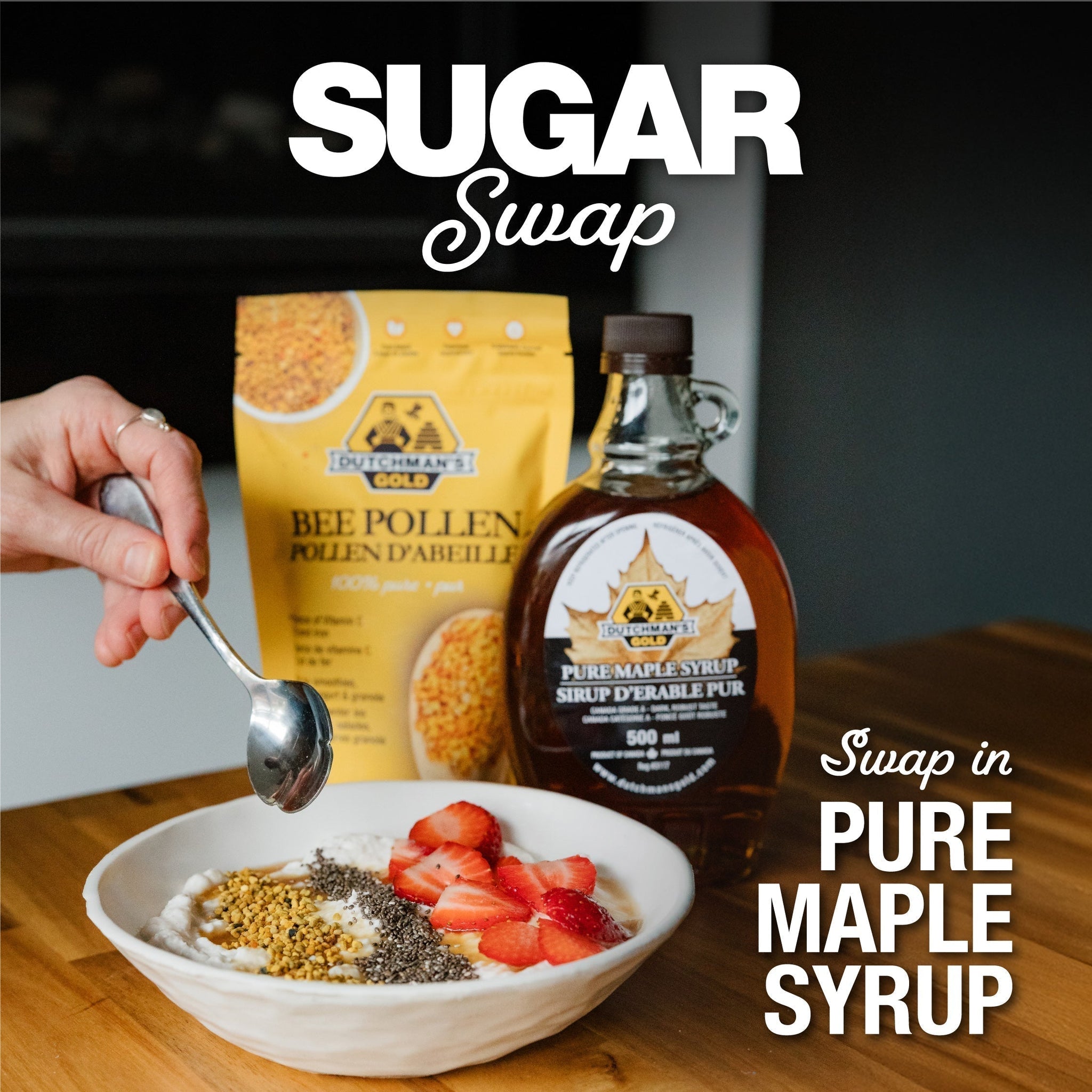
Maple syrup is often boxed into one category; “treat food.” But as a holistic nutrition practitioner, I see maple syrup a little differently. When used intentionally, real maple syrup can be a meaningful upgrade from refined sugar, bringing flavour, trace nutrients, and a connection to real food back into everyday cooking.
What Makes Maple Syrup Different from Refined Sugar
Real maple syrup is made from a single ingredient, concentrated maple sap and undergoes far less processing than white or brown sugar. While it’s still a form of sugar and should be used with intention, maple syrup contains naturally occurring minerals and plant compounds that refined sugars simply don’t provide.
Updated science-backed perspective
Research has identified a range of antioxidant phenolic compounds in maple syrup, including lignans, coumarins, and other unique plant compounds that contribute to its functional food properties (Li & Seeram, 2010). More recent reviews confirm that maple syrup contains bioactive compounds with antioxidant and potential anti-inflammatory activity, alongside its nutritional and sensory benefits (Mohammed et al., 2023).
Why Dark Maple Syrup Is the Better Choice
Not all maple syrup is created equal. The grade matters.
Studies examining different grades of maple syrup have shown that darker syrups tend to contain higher concentrations of phenolic compounds and antioxidants, along with a more robust flavour profile (Singh et al., 2014). From a practical standpoint, that deeper flavour means you often need less — an important principle when using any sweetener.
The Golden Swap Formula (Maple Edition)

As with honey, maple syrup works best when it replaces refined sugar rather than being added on top of an already sweetened recipe.
Top 3 Ways to Use Maple Syrup in a Healthy Lifestyle
Rather than reserving maple syrup for pancakes, consider these everyday swaps:
Salad dressings
Maple syrup balances acidity and bitterness beautifully, reducing the need for refined sugar in dressings.
Marinades and glazes
A small amount of maple syrup enhances flavour while pairing naturally with protein and vegetables.
Roasting vegetables
Maple syrup encourages caramelization and makes vegetables more appealing — especially for families.
From a holistic nutrition lens, these applications pair sweetness with fibre, healthy fats, and protein, helping support steadier energy and better blood sugar balance.
Recipe: Maple Dijon Roasted Vegetables

Ingredients
3 cups mixed vegetables
1 Tbsp dark maple syrup
1 Tbsp Dijon mustard
2 Tbsp olive oil
Salt and pepper
Why this works
Traditional recipes often rely on brown sugar or sweetened glazes. This version uses a small amount of dark maple syrup to enhance flavour while keeping the dish nutrient-dense and balanced.
A Balanced Perspective on Sugar
Maple syrup is still sugar, and that matters. Health Canada continues to recommend reducing overall added sugar intake for long-term health (Health Canada, 2020). Sugar Swap isn’t about unlimited sweetness; it’s about choosing better sweeteners, using less, and pairing them well.
As Julie Daniluk reminds us, becoming sugar-free is a process, one that starts with awareness, not restriction (Daniluk, 2014).
Final Thought
Sugar Swap isn’t just about what we sweeten with. It’s about where it comes from and who we support along the way.
Our maple syrup is sourced from Ontario trees, connecting us directly to Canadian land, seasons, and agricultural traditions. Choosing Canadian maple syrup supports local producers, strengthens domestic food systems, and keeps real food production close to home.
As a second-generation family business, we believe trust comes from transparency and long-term commitment. Sugar Swap reflects that philosophy, choosing real ingredients, from places and people you know, to build healthier habits that last.
 References
Li, L., & Seeram, N. P. (2010). Maple syrup phytochemicals include lignans, coumarins, a stilbene, and other previously unreported antioxidant phenolic compounds. Journal of Agricultural and Food Chemistry, 58(22), 11673–11679. https://doi.org/10.1021/jf1033398
Singh, A. S., Jones, A. M., & Saxena, P. K. (2014). Variation and correlation of properties in different grades of maple syrup. Plant foods for human nutrition (Dordrecht, Netherlands), 69(1), 50–56. https://doi.org/10.1007/s11130-013-0401-x
Mohammed, F., Sibley, P., Abdulwali, N., & Guillaume, D. (2023). Nutritional, pharmacological, and sensory properties of maple syrup: A comprehensive review. Heliyon, 9(9), e19216. https://doi.org/10.1016/j.heliyon.2023.e19216
Daniluk, J. (2014). Becoming sugar-free: 8 weeks to freedom from sugar and carb addiction. Random House Canada. https://www.penguinrandomhouse.ca/books/646663/becoming-sugar-free-by-julie-daniluk/9780735240537
Health Canada. (2020). Sugars and health. Government of Canada. https://www.canada.ca/en/health-canada/services/nutrients/sugars.html

