Your Cart is Empty

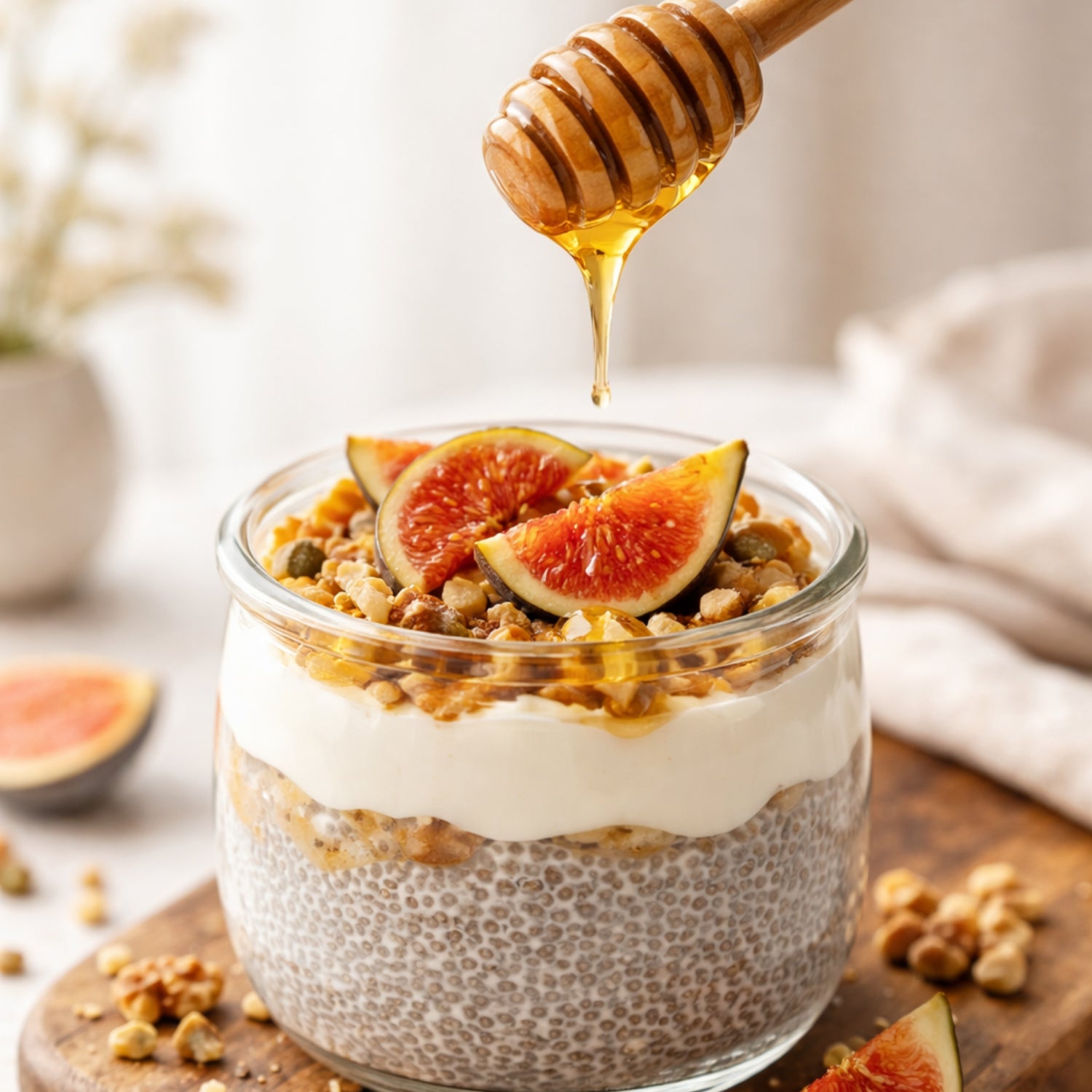
As a nutrition practitioner, one of the biggest lessons I’ve learned is this: what we do daily matters far more than what we do occasionally. Sugar Swap isn’t a cleanse or a reset, it’s a lifestyle habit that gently supports energy, digestion, and immune health over time.
Sugar, Immunity, and the Bigger Picture
High intakes of refined sugar have been shown to:
Suppress immune cell activity
Disrupt gut health (where much of our immune system lives)
Increase inflammation in the body
This doesn’t mean we eliminate sweetness. It means we choose it wisely.
Why Honey Fits Into a Wellness Routine
Honey offers more than sweetness. Recent research continues to highlight honey’s antioxidant, antimicrobial, and immune-modulating properties, largely due to its naturally occurring polyphenols and flavonoids (Stefanis et al., 2023; Masad et al., 2021). When used intentionally, honey can support wellness rather than undermine it, especially when it replaces refined sugars.
Honey supports wellness in three key ways:
Antioxidant support
Honey contains polyphenols and flavonoids that help neutralize oxidative stress and support the body’s natural defence systems.
Gut and immune balance
Certain components of honey act as prebiotics, helping support beneficial gut bacteria — an important foundation for immune health.
Soothing support for the respiratory system
Honey has long been used to soothe the throat and support respiratory comfort, a traditional use that continues to be supported by modern research.
From a holistic nutrition perspective, honey works best in small amounts and when paired with fibre, protein, and healthy fats, the same principles that guide all Sugar Swap recipes.
The Golden Swap Formula (Repeat + Reinforce)

Habit Stacking: Where Sugar Swap Fits Naturally
Morning
Honey in tea or coffee
Yogurt with fruit, seeds, and nuts
Afternoon
Honey-sweetened dressing on vegetables
Balanced snacks with protein
Evening
Honey in warm lemon ginger tea instead of sugar or syrups
Recipe: Honey Lemon Ginger Immunity Tea

Ingredients
1 tsp raw honey (added once water cools slightly)
1 cup hot water
Fresh lemon juice
Fresh ginger slices
Optional cinnamon or turmeric
Why this works
This replaces refined sugar, flavoured syrups, and sweetened wellness drinks with a simple, nourishing habit you can repeat daily.
NEW: Cardiometabolic credibility anchor
This approach is further supported by emerging clinical research. A University of Toronto–led study found that replacing refined sugars with honey was associated with improvements in certain cardiometabolic risk markers, reinforcing that the type of sweetener matters, not just the amount (Oldfield, 2022)
Final Thought
Wellness isn’t built on a single ingredient or trend — it’s built through consistent, thoughtful choices. Sugar Swap is one of those choices, and sourcing matters just as much as sweetness.
Our honey is sourced from Canadian beekeepers, supporting local agriculture, pollination, and a resilient food system. Choosing Canadian honey helps reduce reliance on highly processed imports while supporting beekeepers who play a vital role in environmental and ecosystem health.
For us, wellness extends beyond the plate. As a second-generation family business, we believe nourishing people and protecting the systems that feed us go hand in hand.

References
Stefanis, C., Stavropoulou, E., Giorgi, E., Voidarou, C. C., Constantinidis, T. C., Vrioni, G., & Tsakris, A. (2023). Honey's Antioxidant and Antimicrobial Properties: A Bibliometric Study. Antioxidants (Basel, Switzerland), 12(2), 414. https://doi.org/10.3390/antiox12020414
Daniluk, J. (2014). Becoming sugar-free: 8 weeks to freedom from sugar and carb addiction. Random House Canada. https://www.penguinrandomhouse.ca/books/646663/becoming-sugar-free-by-julie-daniluk/9780735240537
Oldfield, J. (2022, November 16). Sweet: Honey reduces cardiometabolic risks, U of T study shows. Temerty Faculty of Medicine, University of Toronto. https://temertymedicine.utoronto.ca/news/sweet-honey-reduces-cardiometabolic-risks-u-t-study-shows
Masad, R. J., Haneefa, S. M., Mohamed, Y. A., Al-Sbiei, A., Bashir, G., Fernandez-Cabezudo, M. J., & Al-Ramadi, B. K. (2021). The Immunomodulatory Effects of Honey and Associated Flavonoids in Cancer. Nutrients, 13(4), 1269. https://doi.org/10.3390/nu13041269 .
Health Canada. (2019). Canada’s food guide. Government of Canada. https://food-guide.canada.ca/en/

